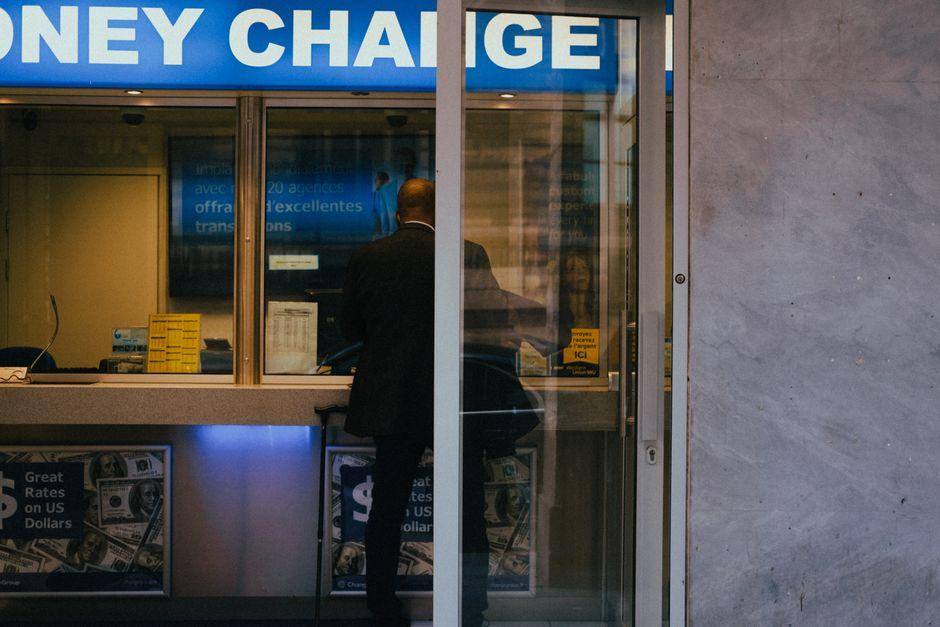
Planning a trip to a new country often sparks a whirlwind of excitement-and, sometimes, a touch of currency confusion.Navigating the best way to exchange your dollars for local currency can feel like finding a needle in a haystack. Luckily, a few savvy strategies can transform this frequently enough-overlooked task into a seamless, money-saving part of your travel experience. In this guide, we’ll explore the most convenient and cost-effective options for U.S. travelers to exchange currency, helping you keep more of your hard-earned cash in your pocket and less lost to sneaky fees. Whether you’re a seasoned globetrotter or embarking on your first adventure abroad,these tips will arm you with the knowledge to make your exchange effortless and economical.
Table of Contents
- smart Locations for Currency Exchange That maximize Value and Convenience
- Hidden Fees and Costs to Watch Out for During Currency Exchange
- Insider Tips for Securing Better Exchange Rates on Your Travels
- Balancing Safety and Savings When Exchanging Money Abroad
- Q&A
- The Way Forward
Smart Locations for Currency Exchange That Maximize Value and Convenience


Finding the best place to exchange currency as a U.S. traveler can really save you money and hassle. Urban areas like airports and hotels often charge higher fees, so it’s better to explore local banks or currency exchange offices downtown. These spots tend to offer better rates and lower commissions, helping you get more value for your dollars.
Another smart option is using FX booths or ATMs linked to your bank accounts. Just make sure to check your bank’s foreign transaction fees beforehand. Many travelers now prefer visiting their bank branch for exchanges,since they usually have obvious rates and fewer hidden costs. Choosing the right location can turn a costly hassle into a simple, money-saving step on your trip.
Hidden Fees and Costs to Watch Out for During Currency Exchange

| One common hidden cost when exchanging currency is the poor exchange rate offered by airports or hotel currency desks. these spots tend to charge a premium, making your money go less than it should. Instead, it’s often better to use ATMs or local banks, which usually offer more competitive rates. But be sure to check your bank’s international ATM fees first, so you don’t get surprised by additional charges. |
| Another cost to watch for is service fees that aren’t immediately obvious. Some currency exchange services charge flat fees or commissions that can add up quickly. Always ask about all potential costs upfront and look for places that clearly display their rates. This helps you compare and avoid overpaying. Using a travel credit card with no foreign transaction fees can also save money in the long run. Keep in mind,small fees can turn into big expenses if you’re not careful.being aware of these costs helps save money during your trip. |
Insider Tips for Securing Better Exchange Rates on Your Travels

When figuring out the best place to exchange currency in the U.S., travelers often overlook some easy tips that can save them money. Generally, local banks and credit unions offer the most favorable rates, especially if you have an account with them already. Avoid airport kiosks and tourist spots, as they tend to charge higher fees and give worse rates. Planning ahead by checking your bank’s foreign exchange services can help you avoid unnecessary costs during your trip. If you wont to maximize your dollars, look into getting a travel-kind credit card with no foreign transaction fees-it often offers competitive exchange rates without the extra charges.
Another practical tip is to compare online currency conversion tools before you travel. They give a good sense of current rates and help you recognize when you’re getting a fair deal. When using cash,consider ordering foreign currency in advance through your bank or a trusted currency exchange service-this ensures a more transparent rate and avoids last-minute surprises. Keep an eye out for well-reviewed travel money belts or wallets on Amazon. these discreet accessories can help you organize your cash and prevent theft, especially in crowded areas. Knowing where to exchange currency efficiently means more savings and less stress on your trip, making your U.S. travels smoother and more affordable.
Balancing Safety and Savings When Exchanging Money Abroad

When it comes to , U.S. travelers often face tough choices. The key is to find options that protect your funds from scams or theft while offering competitive rates. Typically, withdrawing cash from ATMs in your destination country tends to be the safest and most cost-effective approach. many banks partner with global networks, helping you avoid hefty foreign transaction fees and unfavorable exchange rates.
However,it’s important to consider local fees and ATM accessibility. Avoid exchange booths in tourist hotspots, as they frequently enough charge high markups, making the process more costly. Look for banks or well-known ATMs that are part of the global network your bank supports. Also, check if your credit or debit cards have no foreign transaction fees. Planning ahead-such as withdrawing larger amounts in one trip-can save you money and reduce exposure to potential safety issues abroad.By intelligently choosing where and how to exchange money, U.S. travelers can enjoy safer, more affordable travel experiences.
Q&A
Q: What’s the best place for U.S. travelers to exchange currency?
A: The ideal spot often depends on your destination, but generally, avoiding airport counters and instead heading to local banks or reputable currency exchange offices can save you money. Online pre-orders for currency,or using ATMs abroad connected to your bank,can also offer favorable rates.
Q: Are bank branches a better option than currency exchange kiosks?
A: Yes, banks typically provide better exchange rates and lower fees compared to standalone kiosks or hotels.It’s worth checking with your bank beforehand to see if they have partnerships or ATMs overseas that waive withdrawal fees.
Q: Can using my debit or credit card be a cost-effective way to obtain foreign currency?
A: Often, yes. Many banks offer cards with favorable foreign exchange ratesand withdrawing cash via ATMs abroad can be advantageous. Just be aware of foreign transaction fees-using cards with no or low foreign fees can save you money.
Q: What tips can definitely help travelers get the best exchange rates and avoid extra costs?
A:
- Plan ahead by ordering currency in advance online or through your bank.
- Use ATMs that are part of your bank’s network to minimize withdrawal fees.
- Avoid exchanging money at airports or hotels where rates tend to be less favorable.
- check your bank’s foreign transaction and ATM withdrawal fees to understand total costs.
- Consider carrying a small amount of local currency before departure for immediate expenses.
Q: Is it better to carry cash or rely solely on cards during international travel?
A:
Both options have their merits. Carrying some cash ensures you’re prepared for places that don’t accept cards, but relying on cards can frequently enough provide better exchange rates and enhanced security. A combination of both, with prior planning, tends to be most practical.
Q: Are ther any hidden costs I should watch out for when exchanging currency?
A:
Yes. Some exchange services charge commission fees or offer unfavorable rates that aren’t immediately obvious. Always ask about the total cost, including feesand compare rates from different sources before exchanging money.
Q: What’s a smart way to manage currency exchange when traveling long-term?
A:
Monitor exchange rates regularly, plan currency exchanges for favorable ratesand consider opening a travel-friendly bank account with low foreign fees. Using a combination of pre-ordering cash,withdrawing from ATMs,and paying with cards can optimize savings over time.
Q: Any final advice for U.S. travelers seeking money-saving currency exchange tips?
A:
Be proactive and informed-know the rates, avoid quick decisions at airportsand utilize your bank’s resources when possible. Thoughtful planning can make a significant difference in minimizing costs and ensuring a smoother travel experience.
The Way Forward
As travelers weave through bustling markets and quite corners alike, choosing the right place to exchange your currency can transform a good trip into a great one. Remember, a savvy exchange isn’t just about the rate-it’s about peace of mind, convenienceand keeping more of your hard-earned money in your pocket. So,gear up with these tips,stay informed,and let your adventures flow seamlessly from the first exchange to the last. Safe travels-and may your journey be filled with seamless exchanges and memorable moments!